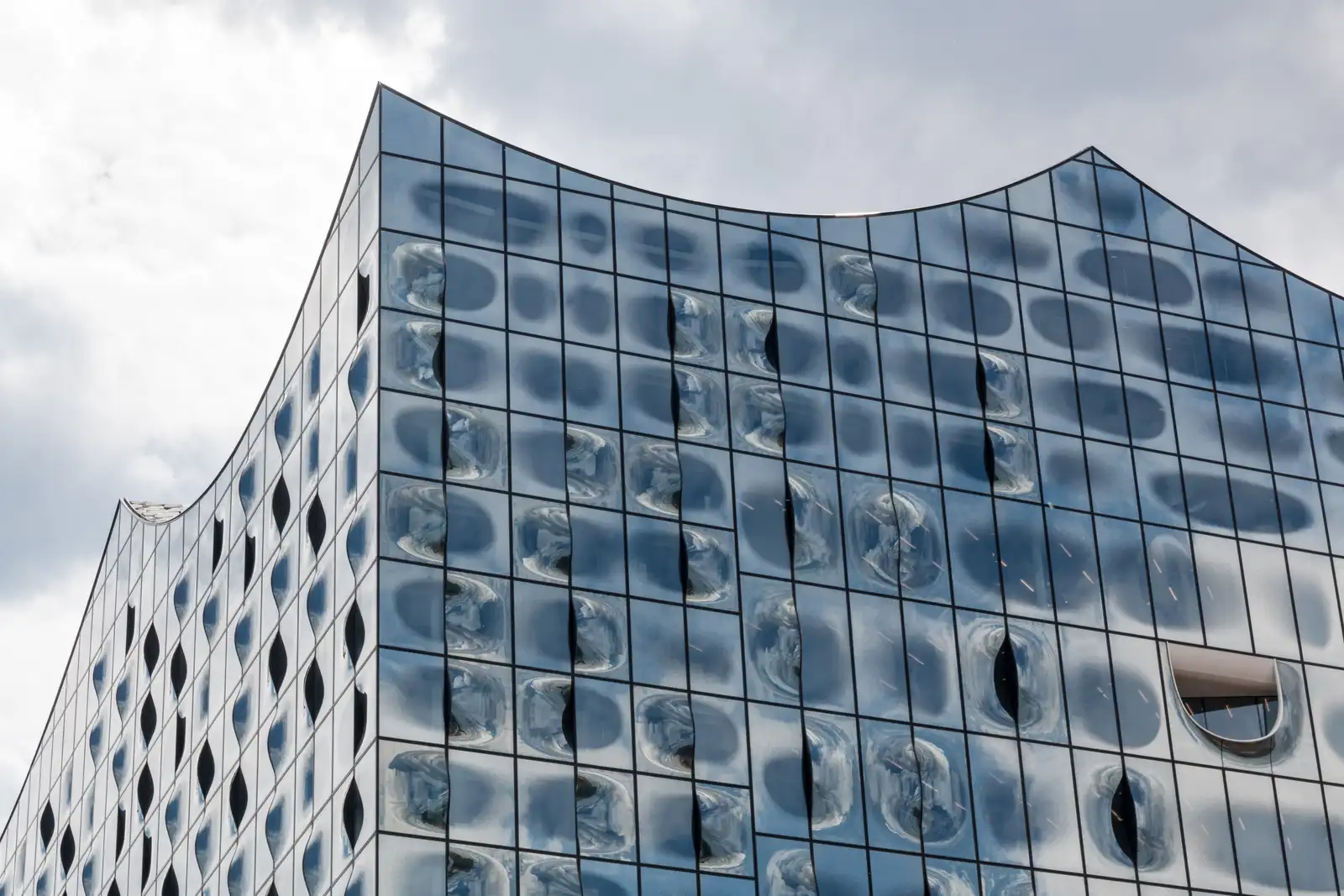
Photo: Dietmar Rabich, CC BY-SA 4.0
Hamburg - Neighbourhoods between harbour, Elbe and Alster
From HafenCity to St Pauli and Blankenese, Hamburg's districts each have their own character. A guide to where you should let yourself drift on a city break.
By the Parkoni editorial team ·
Hamburg is not a city with a single centre. The Hanseatic city is made up of many districts that differ greatly in mood, architecture and pace. Understand the districts and you understand the city.
This overview helps you find the right corners for your trip, whether you are after water, culture, nightlife or calm.
HafenCity and Speicherstadt
HafenCity is one of the largest urban development projects in Europe. Modern buildings, squares by the water and the Elbphilharmonie shape the scene. Right beside it lies the Speicherstadt, a quarter of red-brick warehouses that is a UNESCO World Heritage Site. Among the canals it feels especially atmospheric when the lights come on.
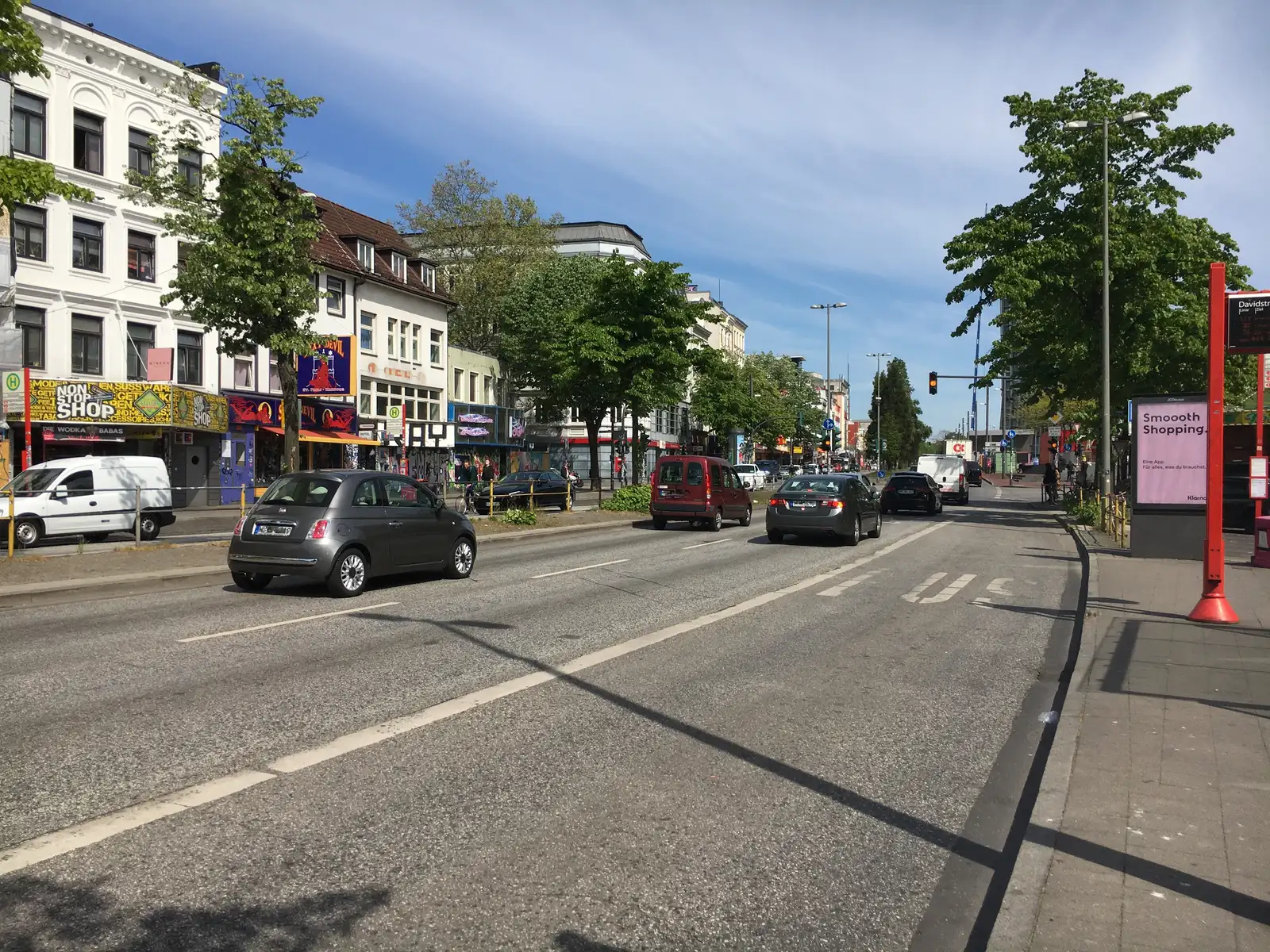
St Pauli and the Reeperbahn
St Pauli is Hamburg's best-known entertainment district, yet it offers more than nightlife. People live here, and there are theatres, music clubs and small cafés. The Landungsbrücken at its edge make a good starting point for walks and harbour tours.
Sternschanze and Karolinenviertel
This is where young, creative Hamburg meets. Cafés, second-hand shops, bars and street art line the streets. If you like to stroll and watch, you will feel at home.
- Set off without a fixed plan, as the best places turn up by chance.
- It is lively at weekends and more relaxed during the week.
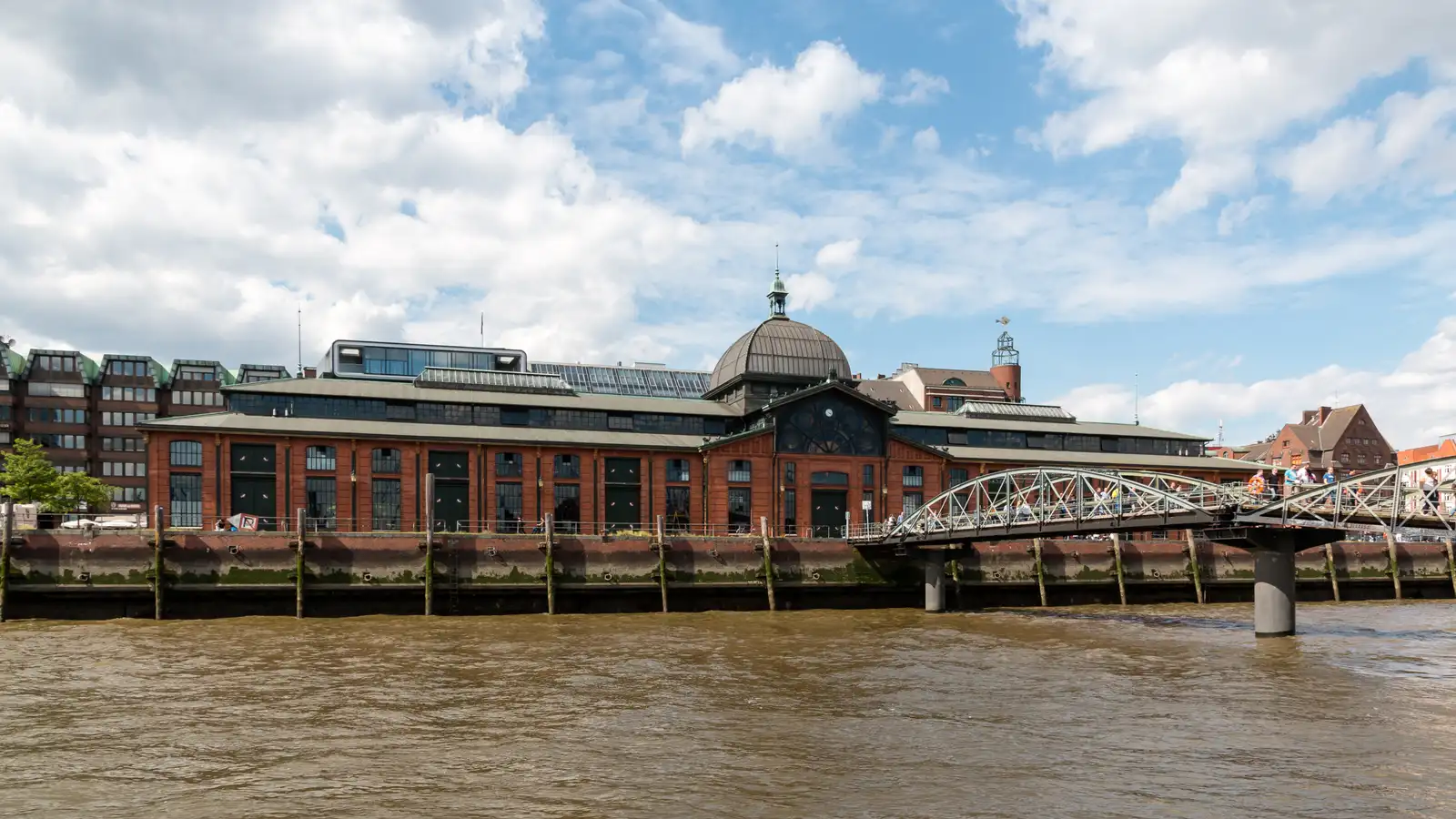
Altona and the Elbe
Altona feels like a city of its own. The district has pedestrian streets, handsome nineteenth-century houses and a fish market on the Elbe bank with centuries of tradition. From here the Elbe trail leads downriver.
Blankenese: the village on the Elbe
Blankenese sits on the Elbe slope, and between steps and gardens a jumble of houses tumbles down the hill. The view of ships passing by is impressive. The district suits a quiet afternoon.
In Altona and Blankenese it is also worth watching the container ships slowly gliding along the Elbe. That belongs to Hamburg like the wind and the gulls.
Around the Alster
The Outer Alster is Hamburg's living room. Sailing boats, walkers and runners share the shore. Villas, parks and cafés surround the water. A walk around the lake is relaxed and shows Hamburg in its elegant mood.
The city has a well-developed network of S-Bahn, U-Bahn and buses. Harbour ferries also form part of the regular public transport and are a scenic way to enjoy the water and the skyline. Dress in layers, because the weather on the coast changes quickly.
If you only have a weekend, follow this order: HafenCity and Speicherstadt in the morning, St Pauli and the Landungsbrücken in the afternoon, and on the second day Altona and Blankenese or the Alster. That way you see the city's waterside, its lively side and its calm side. In the evening HafenCity looks especially fine when the lights are mirrored in the water. Expect short showers when it rains, and keep an umbrella ready.
Hamburg invites exploring. Pick two or three districts and give each of them time, and you will truly experience the city.
Nonstop to Hamburg
Nonstop flights there leave from these airports, among others: Dublin Airport, Alicante-Elche Miguel Hernández Airport and Amsterdam Airport Schiphol.
- Dublin Airport (DUB)Aer Lingus, Ryanair · year-roundFind parking at this airport
- Alicante-Elche Miguel Hernández Airport (ALC)Eurowings, Ryanair · year-roundFind parking at this airport
- Amsterdam Airport Schiphol (AMS)KLM · year-roundFind parking at this airport
- EuroAirport Basel-Mulhouse-Freiburg (BSL)easyJet · year-roundFind parking at this airport
- Josep Tarradellas Barcelona-El Prat Airport (BCN)Eurowings, Vueling · year-roundFind parking at this airport
- Budapest Liszt Ferenc International Airport (BUD)Eurowings · year-roundFind parking at this airport
44 more departure airports
- Lyon Saint-Exupéry Airport (LYS)Volotea · year-roundFind parking at this airport
- Düsseldorf Airport (DUS)Eurowings · year-roundFind parking at this airport
- Faro - Gago Coutinho International Airport (FAO)Condor, Eurowings, Marabu · year-roundFind parking at this airport
- Milan Malpensa International Airport (MXP)Eurowings, easyJet · year-roundFind parking at this airport
- Frankfurt Main Airport (FRA)Condor, Lufthansa · year-roundFind parking at this airport
- Gdańsk Lech Wałęsa Airport (GDN)Ryanair, Wizz Air · year-roundFind parking at this airport
- Helsinki Vantaa Airport (HEL)Finnair · year-roundFind parking at this airport
- Lisbon Humberto Delgado Airport (LIS)Eurowings, TAP Air Portugal · year-roundFind parking at this airport
- Adolfo Suárez Madrid-Barajas Airport (MAD)Iberia · year-roundFind parking at this airport
- Málaga-Costa del Sol Airport (AGP)Eurowings, Ryanair · year-roundFind parking at this airport
- Munich Airport (MUC)Eurowings, Lufthansa · year-roundFind parking at this airport
- Nice-Côte d'Azur Airport (NCE)Eurowings · year-roundFind parking at this airport
- Palma de Mallorca Airport (PMI)Condor, Eurowings, Marabu, Ryanair, Sundair · year-roundFind parking at this airport
- Charles de Gaulle International Airport (CDG)Air France, Eurowings · year-roundFind parking at this airport
- Václav Havel Airport Prague (PRG)easyJet · year-roundFind parking at this airport
- Rome-Fiumicino Leonardo da Vinci International Airport (FCO)Eurowings, easyJet · year-roundFind parking at this airport
- Salzburg Airport (SZG)Eurowings · year-roundFind parking at this airport
- Seville Airport (SVQ)easyJet · year-roundFind parking at this airport
- Sibiu International Airport (SBZ)Wizz Air · year-roundFind parking at this airport
- Sofia Airport (SOF)Wizz Air · year-roundFind parking at this airport
- Athens Eleftherios Venizelos International Airport (ATH)Aegean Airlines, Sky Express · year-roundFind parking at this airport
- Stockholm-Arlanda Airport (ARN)Eurowings, Norwegian Air Shuttle, Scandinavian Airlines · year-roundFind parking at this airport
- Stuttgart Airport (STR)Eurowings · year-roundFind parking at this airport
- Vienna International Airport (VIE)Austrian Airlines, Eurowings · year-roundFind parking at this airport
- Vilnius International Airport (VNO)airBaltic · year-roundFind parking at this airport
- Warsaw Chopin Airport (WAW)LOT Polish Airlines · year-roundFind parking at this airport
- Brussels Airport (BRU)Brussels Airlines · year-roundFind parking at this airport
- Bari Karol Wojtyła International Airport (BRI)Eurowings · seasonalFind parking at this airport
- Bilbao Airport (BIO)Eurowings · seasonalFind parking at this airport
- Cagliari Elmas Airport (CAG)Eurowings · seasonalFind parking at this airport
- Verona Villafranca Valerio Catullo Airport (VRN)Eurowings · seasonalFind parking at this airport
- Catania-Fontanarossa Airport (CTA)Eurowings · seasonalFind parking at this airport
- Florence Airport, Peretola (FLR)Volotea · seasonalFind parking at this airport
- Ibiza Airport (IBZ)Eurowings · seasonalFind parking at this airport
- Larnaca International Airport (LCA)Eurowings · seasonalFind parking at this airport
- Nantes Atlantique Airport (NTE)Volotea · seasonalFind parking at this airport
- Naples International Airport (NAP)Eurowings · seasonalFind parking at this airport
- Olbia Costa Smeralda Airport (OLB)Eurowings · seasonalFind parking at this airport
- Francisco de Sá Carneiro Airport (OPO)Eurowings · seasonalFind parking at this airport
- Milano Linate Airport (LIN)ITA Airways · seasonalFind parking at this airport
- Split Saint Jerome Airport (SPU)Eurowings · seasonalFind parking at this airport
- Valencia Airport (VLC)Eurowings · seasonalFind parking at this airport
- Zagreb Franjo Tuđman International Airport (ZAG)Croatia Airlines · seasonalFind parking at this airport
- Venice Marco Polo Airport (VCE)Eurowings · seasonalFind parking at this airport
Routes as listed on Wikipedia from the airlines' schedules; the airline's current timetable is authoritative.